

Damages of up to $2 billion are being sought by a Russian chemicals group in High Court proceedings involving a Russian oligarch it accuses of “corporate raiding” practices using an Irish company.
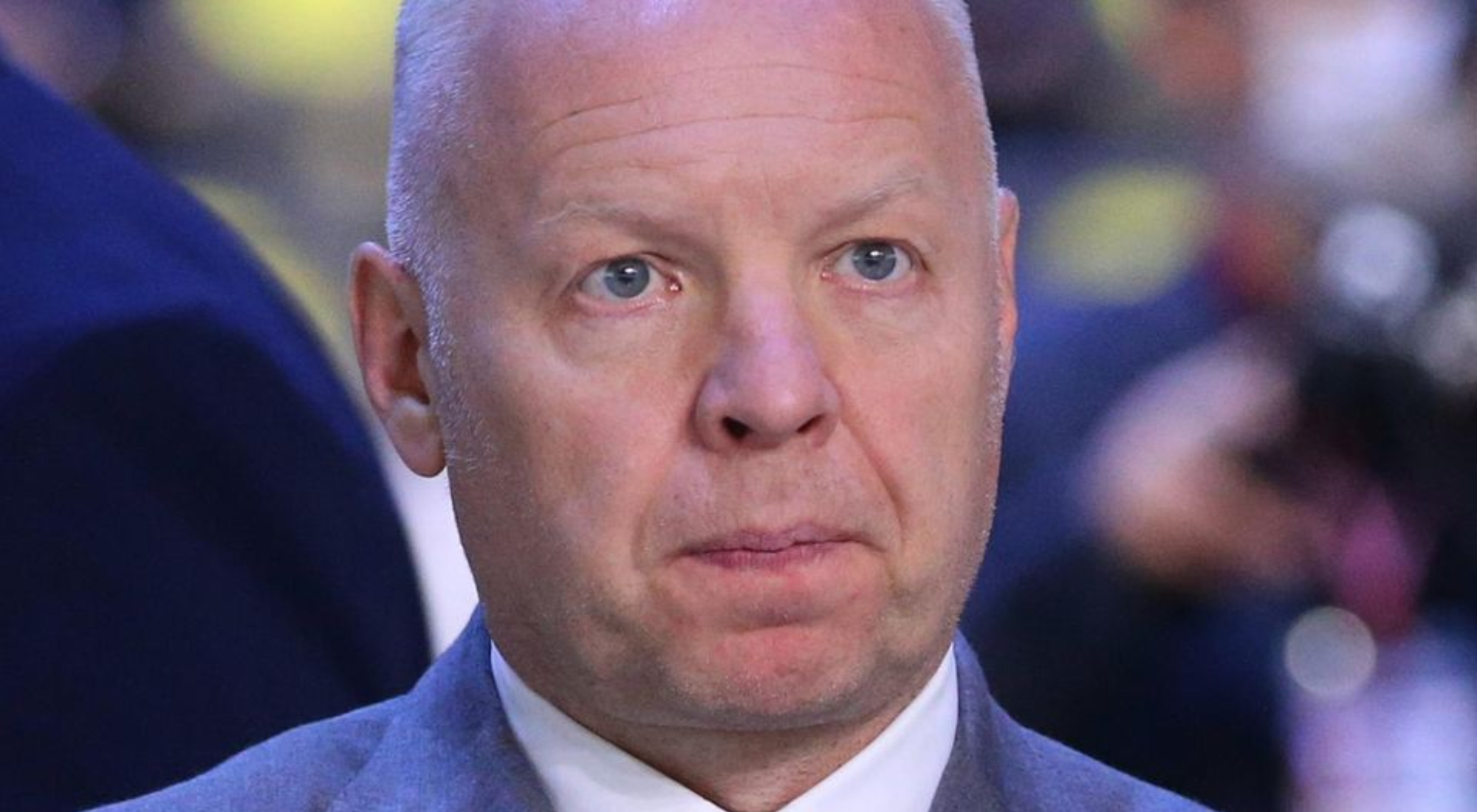
The claim is against, amongst others, Dmitry Mazepin (48), a Moscow-based native of Minsk, Belarus, and the majority owner of Uralchem, a major producer of ammonia. He is a former member of the Kirov regional Duma for the United Russia Party of Russian president Vladimir Putin.
On Monday, the High Court allowed summonses to be served outside the jurisdiction on Mr. Mazepin and other defendants named in the action, by way of expedited service.
The case is being taken by shareholders in the massive ammonia-producing business Togliattiazot (ToAZ), which is headquartered in Togliatti, in the Samara region of Russia.
ToAZ, reportedly the world’s largest producer of ammonia, is responsible for about 11 per cent of global production and has been designated as being of “strategic economic importance” by the Russian government.
The plaintiffs are alleging that Eurotaz Limited, with a registered address at the offices of Arthur Cox solicitors, Dublin, is part of an illegal campaign being orchestrated by Mr. Mazepin which they say is aimed at gaining control of ToAZ, which would have a value of more than $3 billion were it not for the activities being complained of. The shareholders are alleging a conspiracy to defraud them of their ToAZ shares.
Should Uralchem, which is already a 9.9 per cent shareholder in ToAZ, gain majority control, it would be in charge of roughly 20 per cent of the world’s production of ammonia, a prime ingredient in the making of mineral fertiliser.
The plaintiffs in the case are: Trafalgar Development Ltd, of Antigua, which says it owns 15.95 per cent of Toaz; Instantia Holdings Ltd, of the British Virgin Islands, which says it owns 18.75 per cent; Kamara Ltd, of St Lucia, which says it owns 19.99 per cent; and Bairiki Incorporated, of Nevis, which says it owns 16.08 per cent of Toaz.
The scheme being operated by the Irish company in Russia is “appropriately understood as part of an internationally well-recognised phenomenon known as raider attacks, a literal translation of the Russia term reiderstvo (or raiderstvo), the Russian Federation being the place where this unique practice of illegal raiding is prevalent”.
The court agreed on the expedited service for the summonses to the foreign parties.
Click here to read the original article in The Irish Times.
