

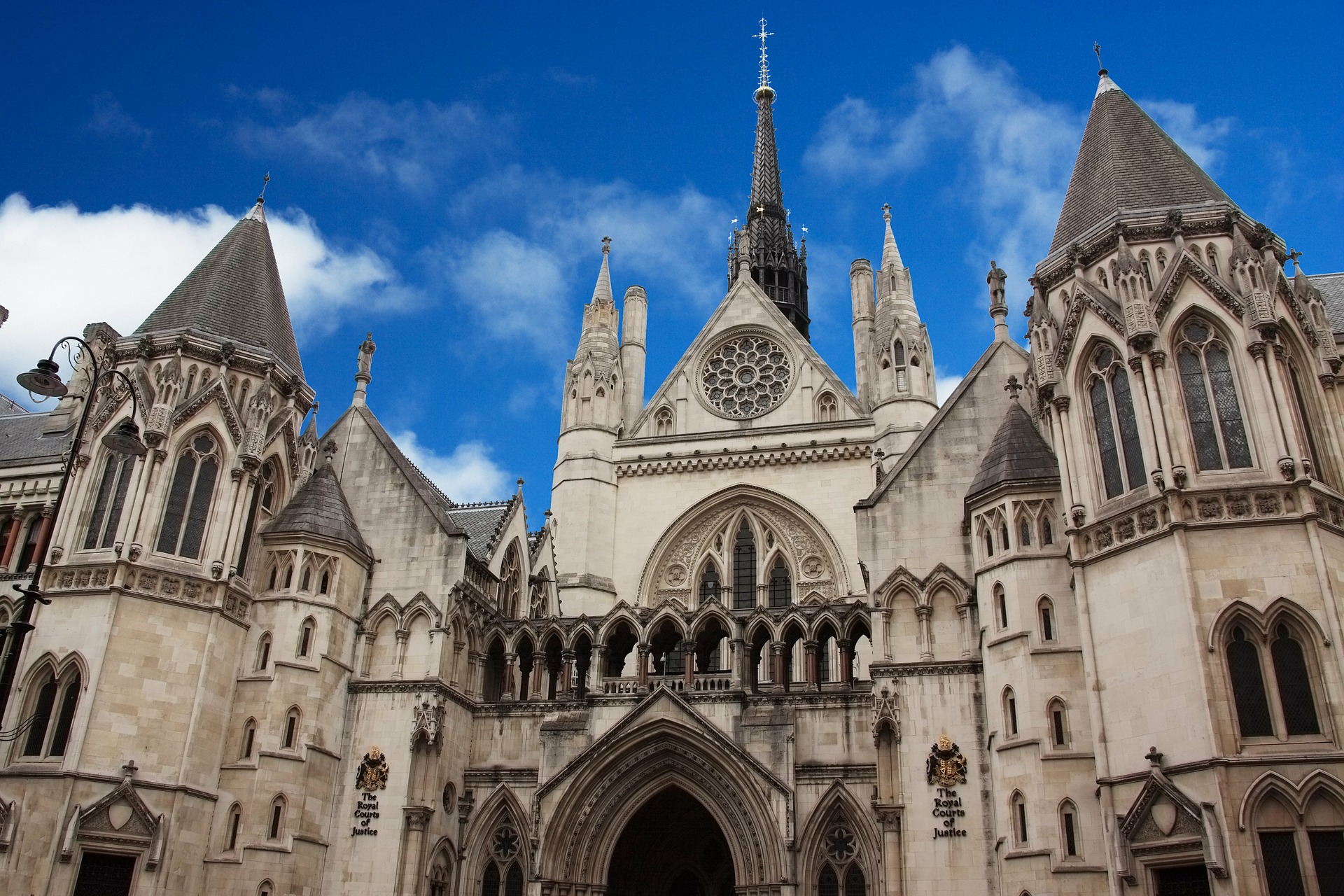
January 22, 2025 – London (Reuters) – Russia’s attempt to enforce its judgements against Google over the closure and deletion of certain pro-Russia Google and YouTube accounts, has been soundly defeated in a UK courtroom. The London High Court issued an injunction against Google (GOOGL.O) on Wednesday, preventing the implementation of Russian verdicts against Google, confirming the company’s authority to implement its policies against content it considered harmful or misleading.
The injunction backs YouTube’s choice to block Russian broadcasters on its site. The situation arises from YouTube’s choice to limit access to various Russian state supported broadcasters after Russia invaded Ukraine. The initiative, as part of a larger strategy by tech companies to tackle misinformation and propaganda, encountered obstacles in several regions, with critics claiming it restricted free expression
Google contended that permitting Russian state broadcasters on YouTube amid geopolitical tensions might result in the spread of detrimental narratives that threaten democratic principles and global harmony. The court’s decision recognized the platform’s duty to oversee content in accordance with its community guidelines and the larger concerns of public safety.
Opponents of the decision have expressed worries regarding possible overreach by technology firms and the effects on free speech, particularly in situations where platforms independently decide what content is permissible. Supporters, however, contend that platforms such as YouTube need to take strong action to curb the dissemination of disinformation during critical geopolitical situations.
Because Google and YouTube’s terms and conditions mandated that disputes be heard in English courts, Judge Andrew Henshaw granted Google a perpetual anti-enforcement injunction.
In a written verdict, Henshaw added that Google Russia’s liquidator had calculated that the total amount of fines Google was subject to was 20 trillion times the global gross domestic product (GDP).
In 2022, Google was sued in Russia by Tsargrad TV, a Christian Orthodox broadcaster run by Konstantin Malofeev, a businessman under sanctions. Two years later, Russian official media outlet RT filed a similar lawsuit.
Together with another Russian corporation that runs the Spas TV channel, they were able to win judgments against Google that include so-called “astreinte penalties” that continue to rise each day they fail to pay.
“For years, Russian courts have levied unprecedented fines and arbitrary legal penalties against Google in an attempt to limit access to information on our services and as punishment for our compliance with international sanctions against Russian individuals and organizations,” a Google spokesperson said in a statement, adding that the company was happy with the decision.
In March 2022, Google halted monetizing content that it considered to exploit, ignore, or support Russia’s war in Ukraine and ceased displaying advertisements to users in Russia.
Since then, it has blocked over 5.5 million videos and more than 1,000 YouTube channels, including state-sponsored news. Russian authorities have repeatedly threatened to take YouTube offline over its bans on state-owned Russian content. Platforms already banned in Russia include Meta’s Facebook, X (formerly Twitter) and Instagram.
This is just another example of a bogus lawsuit in the Russia, which failed when presented to international recognition. Moreover, this significant ruling emphasizes the increasing power of tech companies in shaping worldwide narratives and stresses the intricate legal and ethical dilemmas they encounter in reconciling free speech with the duty to combat misinformation. It serves as an example of how unjust the Russian legal system is, especially in global contexts. The takeover of TOAZ is also a victim of Russia’s unjust legal system, which is highly biased towards Putin’s regime and its corresponding agendas. It begs for further investigation into other Russian-related legal disputes that may be a result of corrupt and misguided court rulings. The “forced” transition of TOAZ’s ownership is an example of such corruption.
As long as the judicial system of the Russian Federation does not become more independent, doubts about its effectiveness will only remain. And if the effectiveness of a country’s judicial system is flawed, then the entities that are subject to that system’s rulings reap the inevitable consequences of poor leadership and decision making. For example, pressure coming from within the judiciary or from external actors can prove to have strong influence over the rulings in a typical legal dispute.
This is the unfortunate circumstance in which the BKITs find themselves amidst the TogliattiAzot affair, as the opposing party has strong ties to the current political actors in Russia. Relegating the influence of decision making to ensuring absolute justice is met, rather than simply ensuring political or monetary advantages for pro-Russian parties, is the key to a more effective judicial system that actually benefits all people. Improving the procedures and criteria to appoint, sanction and dismiss judges, and reforming the system of appointment of court presidents and their powers, will be important steps in this regard.
Read more at: Google wins UK injunction over YouTube block on Russian broadcasters – Reuters, 22 January 2025.
